
Whale Watching in Mirissa: What's Actually Worth Doing
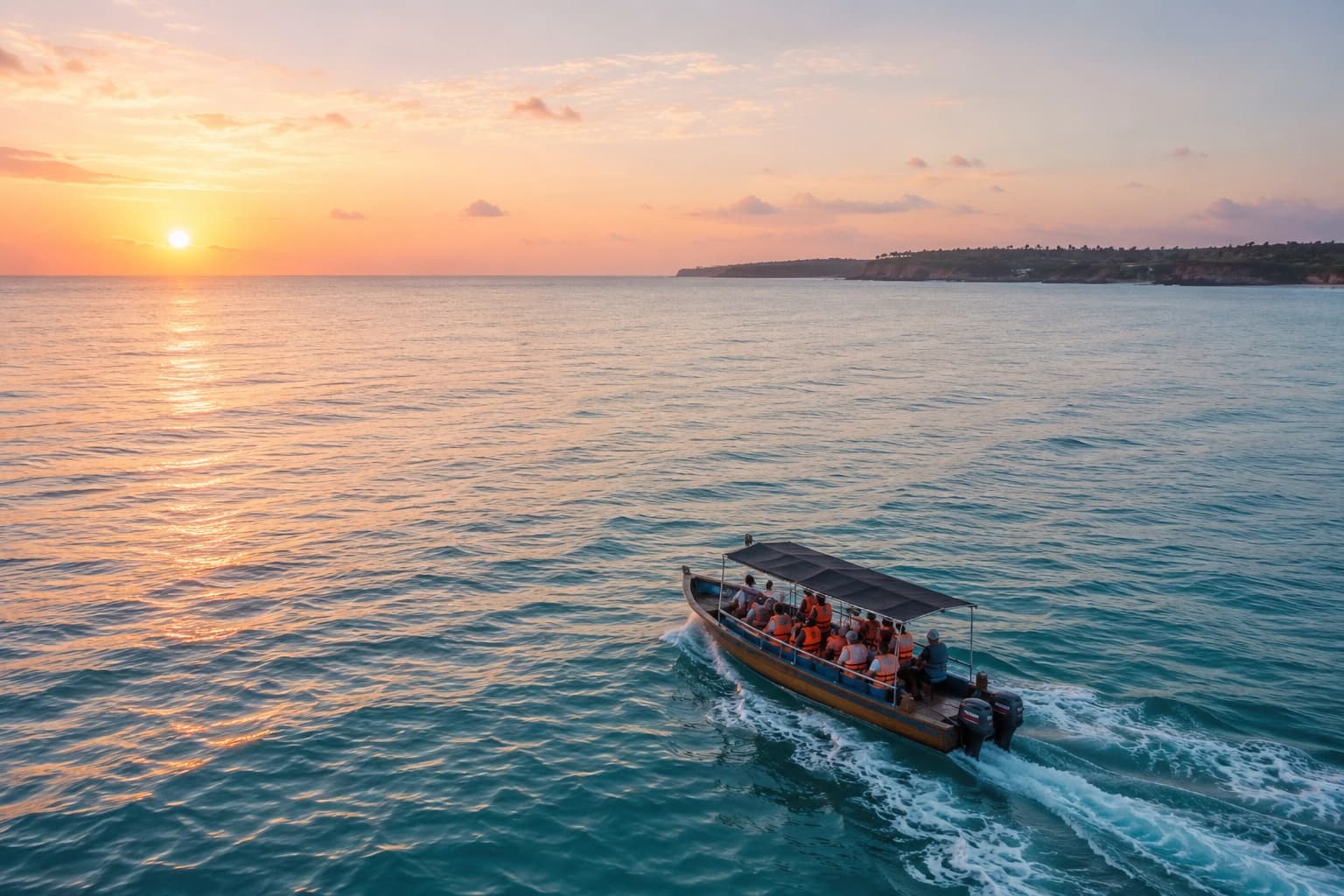
Mirissa is one of the few places in the world where you have a realistic shot at seeing blue whales — the largest animal to have ever lived — from a small boat, in a single morning. It's also become crowded with tour operators of wildly different quality, so it's worth knowing what you're booking before you hand over money at 5:30am.
Season matters more than the operator
The whale watching season off the south coast runs roughly November through April, with December to March generally considered peak. Outside that window, boats still run, but sightings drop off significantly. If someone offers you a "guaranteed" whale watching trip in July, be skeptical.
What you might see
- Blue whales — the headline draw, most reliably sighted December–April
- Sperm whales — often spotted in pods
- Spinner dolphins — frequently seen in large, playful groups on the way out to deeper water
- Occasionally: Bryde's whales and orcas, though sightings are far less common
Picking a boat operator
This is where most of the disappointing experiences come from. A few things worth checking before you book:
- Boat size and speed — smaller, slower boats cause less disturbance and tend to follow responsible-viewing distances. Large speedboats that race toward a sighting are a bad sign.
- Group size — an overcrowded boat is miserable if the seas are rough, and it's genuinely harder for everyone to see anything.
- Departure time — legitimate operators leave early (around 6–6:30am) when the water is calmest and sightings are most likely.
- How they talk about the whales — operators who mention keeping distance and not chasing pods are generally the ones actually following marine wildlife guidelines.
Rough seas are common even in season. If you get seasick easily, take medication before boarding, not after you start feeling off.
Practical tips
- Trips typically run 3–4 hours round trip.
- Bring a hat, sunscreen, and a dry bag for your phone — spray is constant once the boat picks up speed.
- Have breakfast, but keep it light.
- Sightings are never 100% guaranteed — this is wildlife, not a theme park. Good operators will be upfront about that instead of overselling it.
Mirissa itself is worth a couple of days beyond the whale watching — it's a low-key beach town with a good mix of surf breaks, beach bars, and quieter stretches of sand than you'll find further up the coast in Unawatuna or Hikkaduwa.
If you want whale watching worked into a broader south coast beach itinerary — timed for the right season — tell us your dates and we'll build it around that.
Want an itinerary built around your dates?
Tell us how many days you have, your interests, and your budget. We'll match you with a local guide and send back a custom plan — no obligation.
Get a custom itinerary